
Jason Satterly
Managing Director, Capytech UK
Jason Satterly is Managing Director of Capytech UK. He served 24 years in the Royal Air Force as an Aircrew Fighter Controller with 54 Squadron (AWACS) and as a qualified instructor trained in the Defence Systems Approach to Training (DSAT). He has spent the last 13 years building corporate training technology with Capytech, for organisations including BAE Systems, Deloitte and Eagle Eye Innovations. More about Capytech UK
Articles by Jason Satterly
-
Creating effective digital learning is about more than producing attractive content and interactive experiences. Whether you’re rolling out compliance training for a local authority, onboarding programmes for a growing business, or leadership development across a national organisation, quality matters at every stage. A single broken link, inaccurate statement, or confusing learner journey can reduce engagement…

-
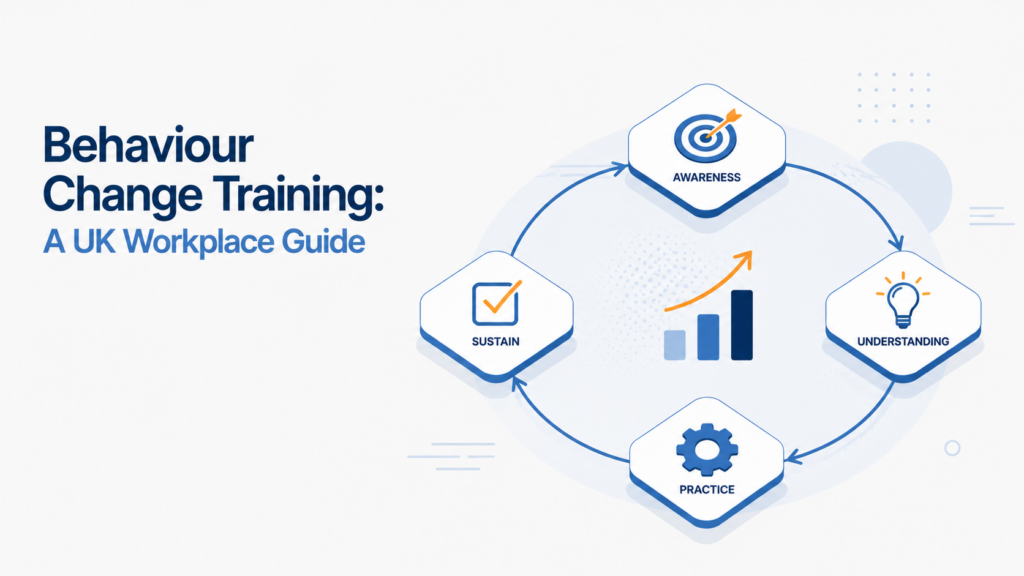
Many UK organisations invest heavily in learning and development, yet still struggle to see meaningful changes in workplace behaviour. Employees complete courses, pass assessments, and receive certificates, but old habits often return within weeks. Whether you’re introducing new safety procedures, improving customer service standards, or supporting management development, the real measure of success is what…
-
Organisations across the UK invest heavily in workplace learning, yet one challenge remains consistent. Not everyone learns in the same way. A training module that works well for one employee may feel less effective for another, even when the content itself is relevant and well designed. Whether you are creating compliance training for a local…

-
Most UK employers have experienced the same challenge. Staff complete a training course, pass the assessment, then struggle to apply what they learnt a few weeks later. The training was delivered, but the knowledge did not stick. At the same time, employees quickly become confident with systems they use every day, whether that’s a CRM…

-
Many professionals reach a point where technical experience alone is no longer enough to progress. You may already supervise a small team, manage projects informally, or coordinate day-to-day operations, but moving into higher-paying management roles often requires recognised leadership training. Across the UK, employers are placing more emphasis on practical management capability. Whether you work…

-
For many UK professionals stepping into middle management, a Level 5 leadership qualification is less about collecting certificates and more about career momentum. Whether you work for an NHS Trust in Birmingham, a logistics firm in Manchester, or a growing SME in Leeds, employers increasingly expect managers to combine operational knowledge with people leadership skills.…

-
It’s 8:15 on a Monday morning in Manchester. The inbox is already filling up, two team members have called in sick, and a senior manager wants an update before the weekly operations meeting. For many supervisors and middle managers across the UK, this is normal working life. The challenge is not just keeping things moving,…

-
The global drone and unmanned aircraft systems (UAS) sector is growing quickly. As unmanned aerial technology is used more in industries like construction, infrastructure surveying, and emergency services, the operational responsibilities placed on remote pilots are increasing. To operate safely, legally, and commercially within high-risk airspace, technical training can no longer be treated as a…
-
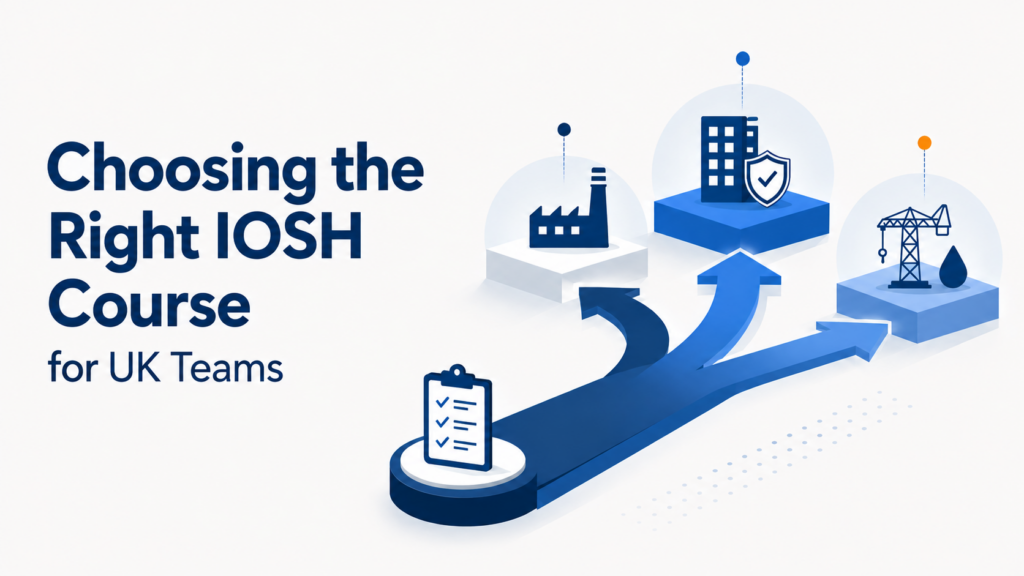
Health and safety training often gets treated as a box-ticking exercise until something goes wrong. In many UK organisations, the real challenge is not whether to provide training, but deciding who needs what. A warehouse operative in Birmingham, a facilities supervisor in Manchester, and a board director at an NHS Trust all face different responsibilities.…
-
For many UK organisations, mandatory health and safety training creates a familiar problem. Managers need staff certified quickly, but taking teams away from daily operations often affects productivity, customer service, and project deadlines. This is especially true in sectors where staffing levels are tightly managed. A facilities company in Birmingham, an NHS Trust department, or…