Blog
-
Many UK organisations invest heavily in digital learning, yet employees still click through modules with little enthusiasm. Completion rates may look healthy, but genuine engagement is often much harder to achieve. Whether you’re delivering compliance training, onboarding new starters or developing leadership programmes, the challenge is the same. People learn more effectively when they genuinely…

-
Running a business often feels like an endless cycle of meetings, emails and deadlines. By Friday afternoon, it’s easy to realise you’ve spent the entire week responding to immediate demands without making meaningful progress on your longer-term goals. For many UK organisations, especially those investing in digital learning and workforce development, success depends on creating…

-
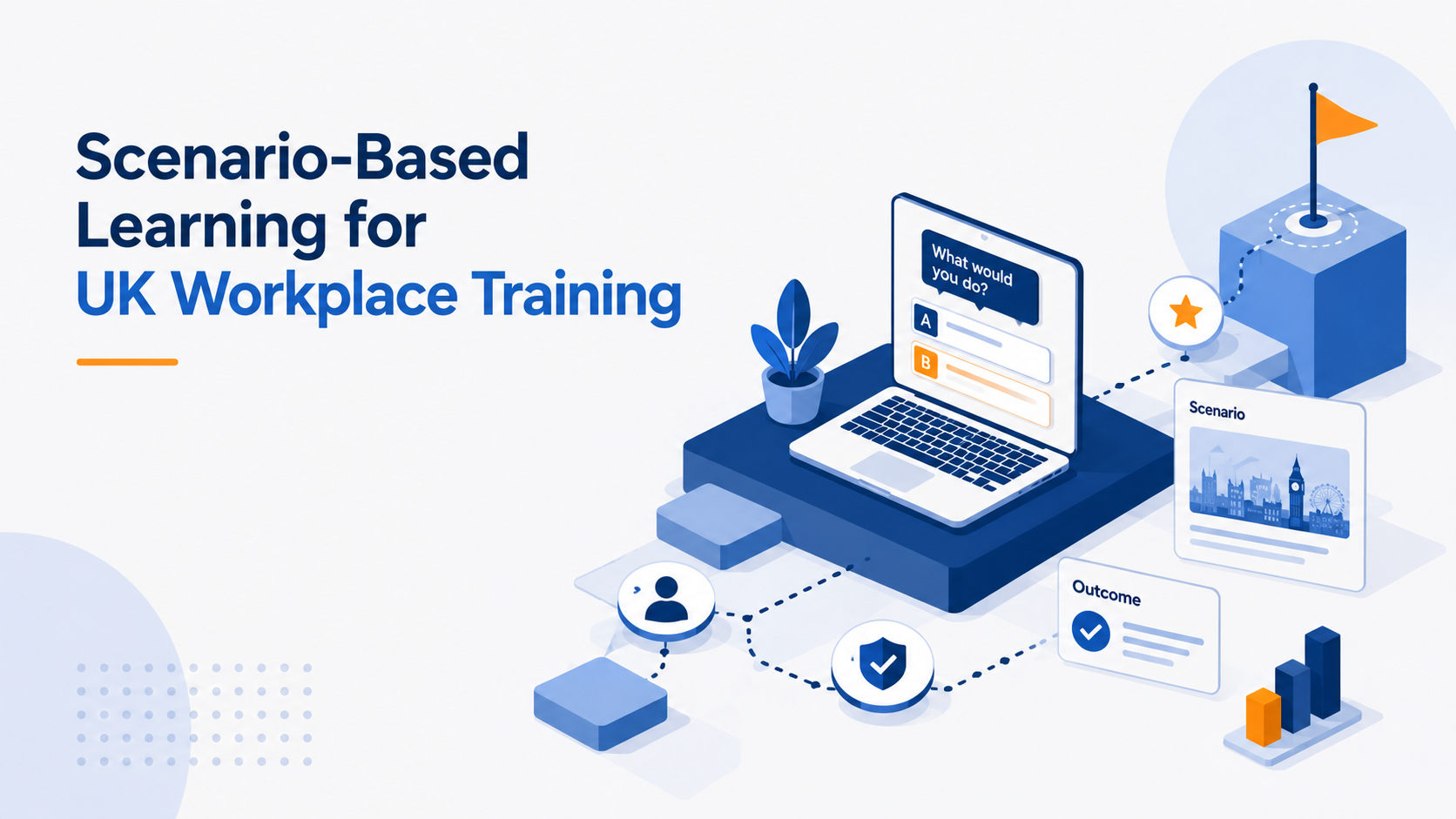
Every organisation wants training that changes how people work, not simply how much information they can remember. Whether you’re introducing new managers, improving customer service, strengthening cyber awareness or supporting health and safety, employees need opportunities to apply what they have learnt in realistic situations. That is where scenario-based learning makes a real difference. Rather…
-
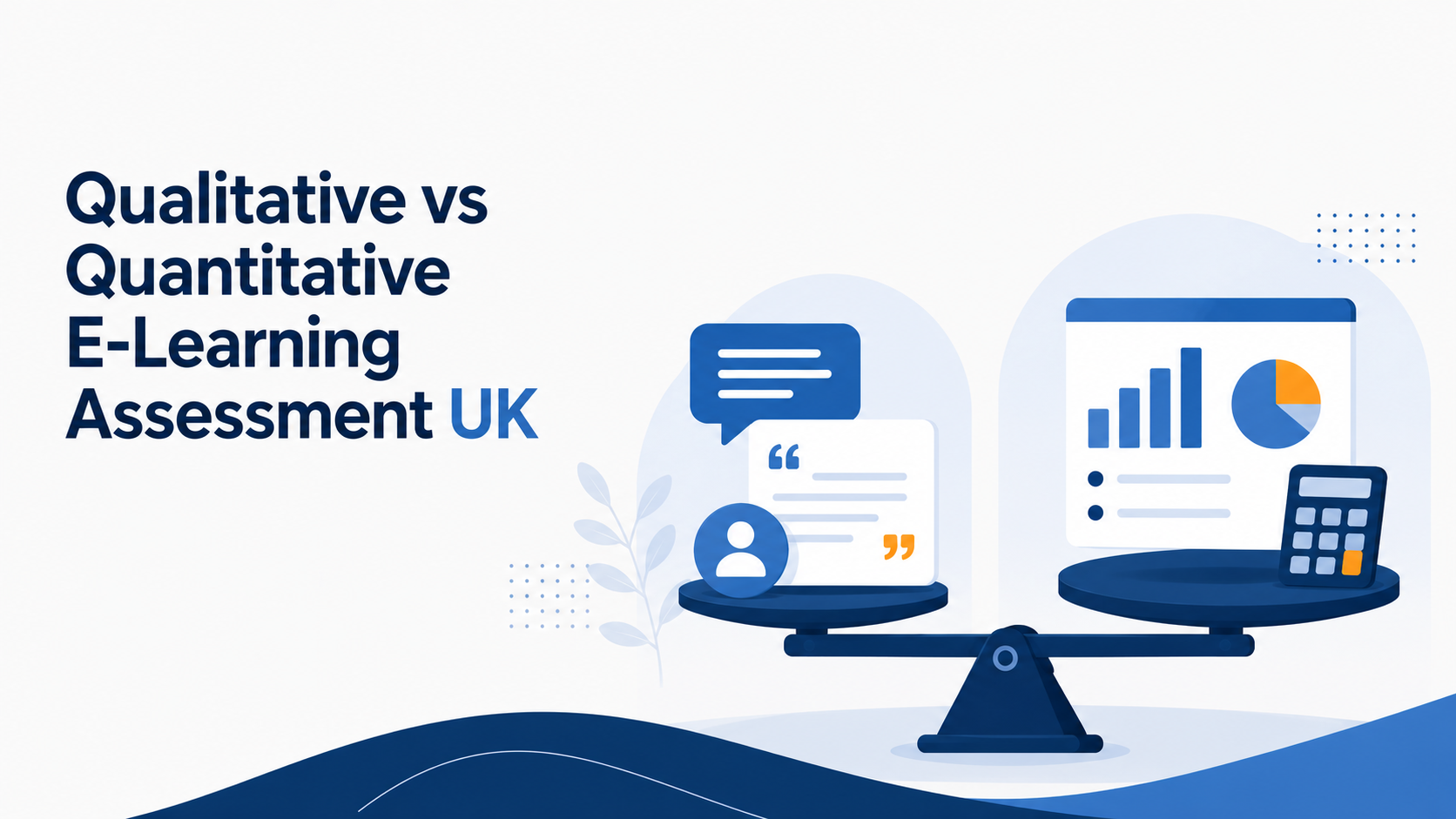
Measuring whether workplace learning has made a real difference is about more than checking whether employees passed a quiz. UK organisations are increasingly expected to demonstrate that training leads to better performance, improved compliance, and lasting behaviour change. That means looking beyond test scores alone. Whether you are delivering compliance training, onboarding, leadership development or…
-
Creating Learning That Leads to Action Many organisations invest significant time and resources in training, only to find that employees struggle to apply what they have learnt once they return to their roles. Whether the training focuses on compliance, leadership, health and safety or technical skills, the real measure of success is behaviour change and…

-
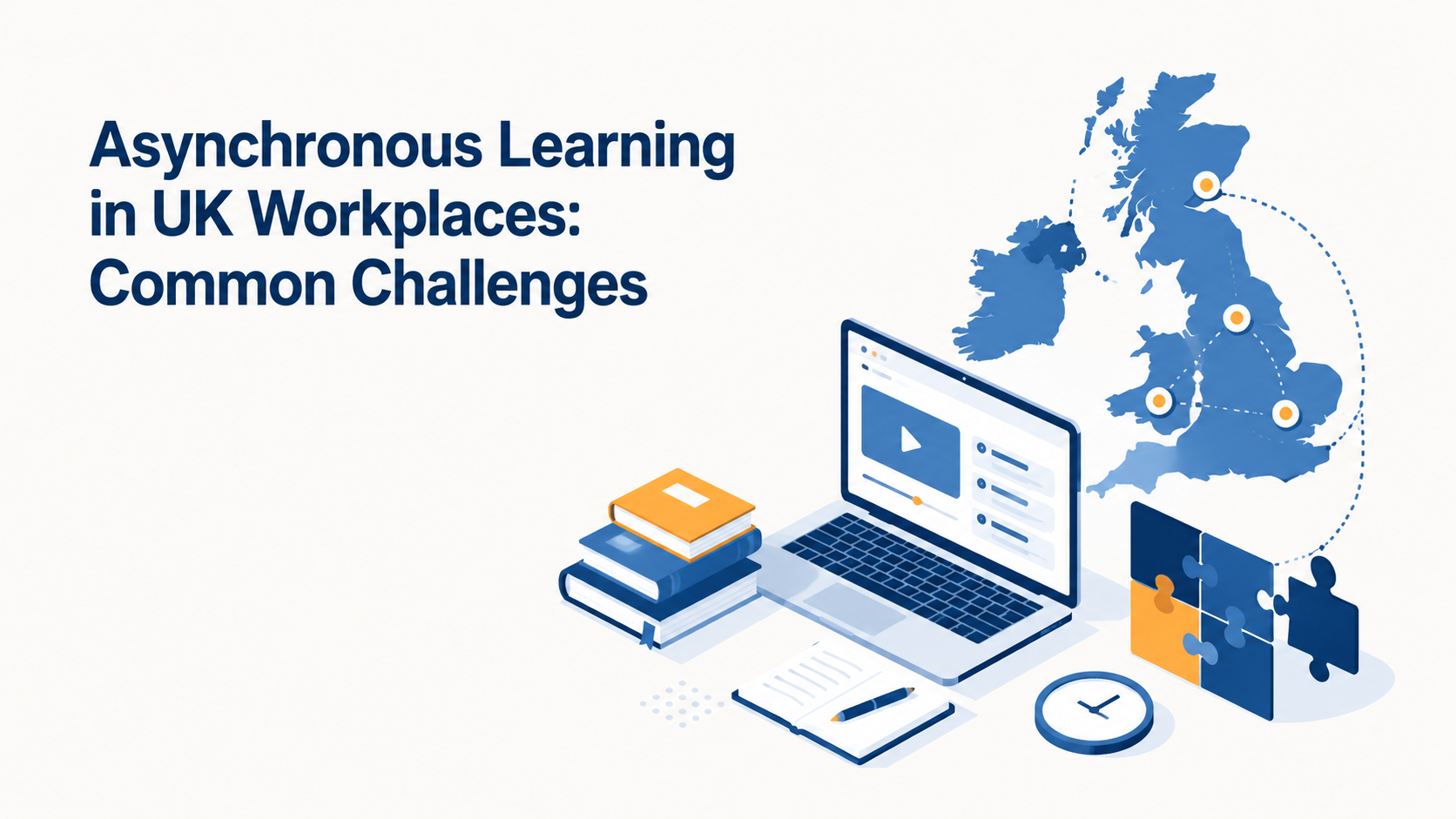
Why Asynchronous Learning Is Growing in the UK Flexible learning has become a standard part of workplace development across the UK. Whether employees are based in an office in Manchester, working remotely from home, or splitting their time between locations, organisations increasingly need training that can fit around different schedules. This is where asynchronous learning…
-
Many UK organisations invest heavily in workplace training, yet learner engagement remains a common challenge. Employees often begin courses with good intentions but lose momentum before reaching the finish line, particularly when programmes are lengthy or delivered entirely online. This is one reason digital badges have become increasingly popular in modern e-learning. Whether used in…

-
Creating effective digital learning is about more than producing attractive content and interactive experiences. Whether you’re rolling out compliance training for a local authority, onboarding programmes for a growing business, or leadership development across a national organisation, quality matters at every stage. A single broken link, inaccurate statement, or confusing learner journey can reduce engagement…

-
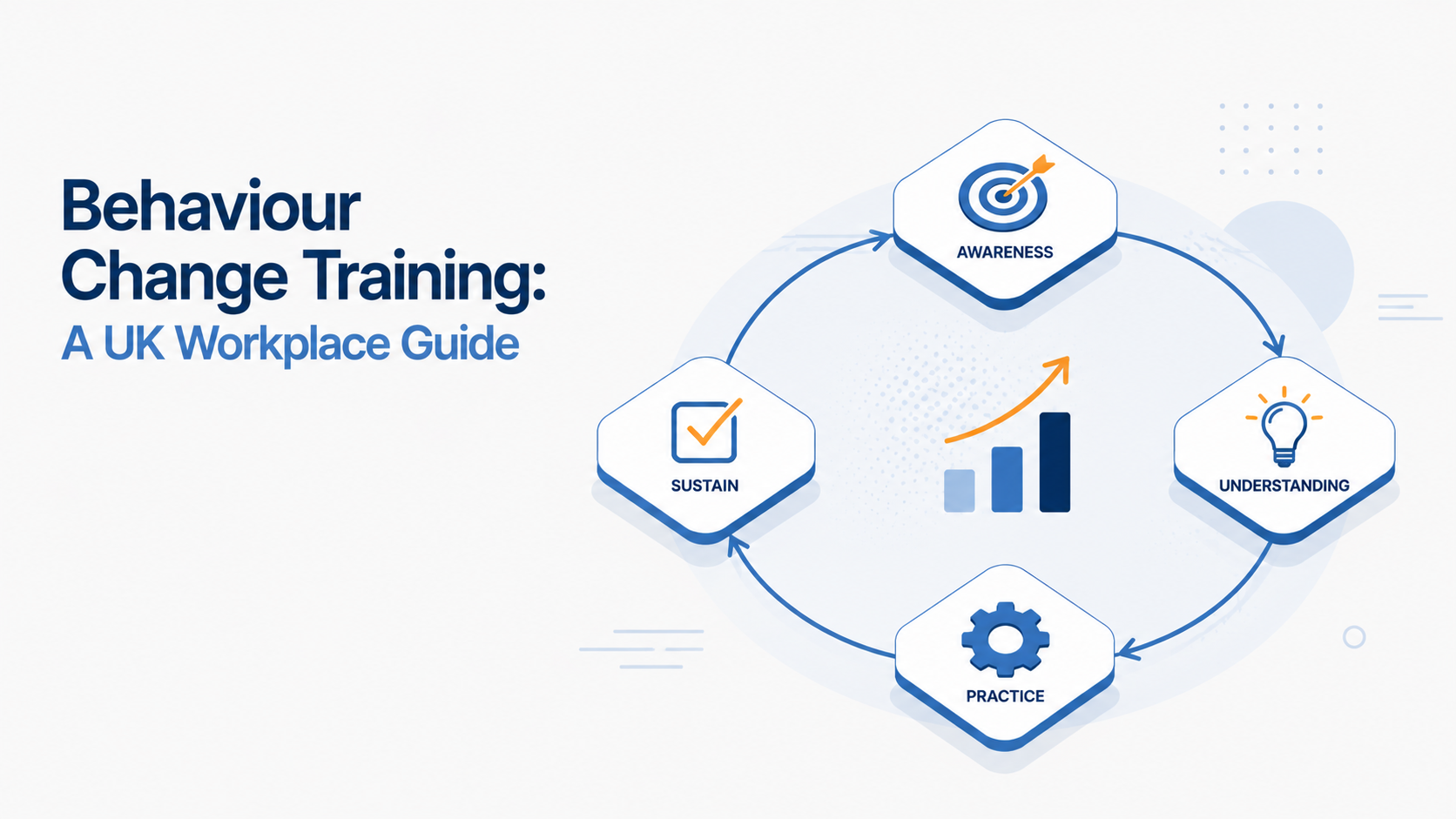
Many UK organisations invest heavily in learning and development, yet still struggle to see meaningful changes in workplace behaviour. Employees complete courses, pass assessments, and receive certificates, but old habits often return within weeks. Whether you’re introducing new safety procedures, improving customer service standards, or supporting management development, the real measure of success is what…
-
Organisations across the UK invest heavily in workplace learning, yet one challenge remains consistent. Not everyone learns in the same way. A training module that works well for one employee may feel less effective for another, even when the content itself is relevant and well designed. Whether you are creating compliance training for a local…