Tag: e-learning

  • What Jobs Can a Level 5 Diploma Lead to in the UK?

    What Jobs Can a Level 5 Diploma Lead to in the UK?

    Many professionals reach a point where technical experience alone is no longer enough to progress. You may already supervise a small team, manage projects informally, or coordinate day-to-day operations, but moving into higher-paying management roles often requires recognised leadership training.

    Across the UK, employers are placing more emphasis on practical management capability. Whether you work in a local council, a healthcare setting, a logistics company or a growing private business, organisations want managers who can lead teams confidently, make informed decisions, and improve performance under pressure.

    That is where a Level 5 Diploma in Management and Leadership can make a real difference.

    Why Employers Value a Level 5 Management Qualification

    A TQUK-accredited Level 5 Diploma is designed for current or aspiring middle managers. The qualification focuses on real workplace responsibilities rather than purely academic theory.

    You learn how to manage people effectively, communicate clearly across departments, handle operational challenges, and support organisational goals. These are skills employers actively look for during recruitment and promotion discussions.

    Because the qualification is regulated through Ofqual frameworks, it carries recognised value across multiple industries in the UK.

    For professionals who want to strengthen their CV without stepping away from full-time work, it offers a practical route into leadership development.

    What Career Opportunities Can It Support?

    One reason the Level 5 Diploma remains popular is its flexibility across sectors. The skills apply just as well in public services as they do in commercial environments.

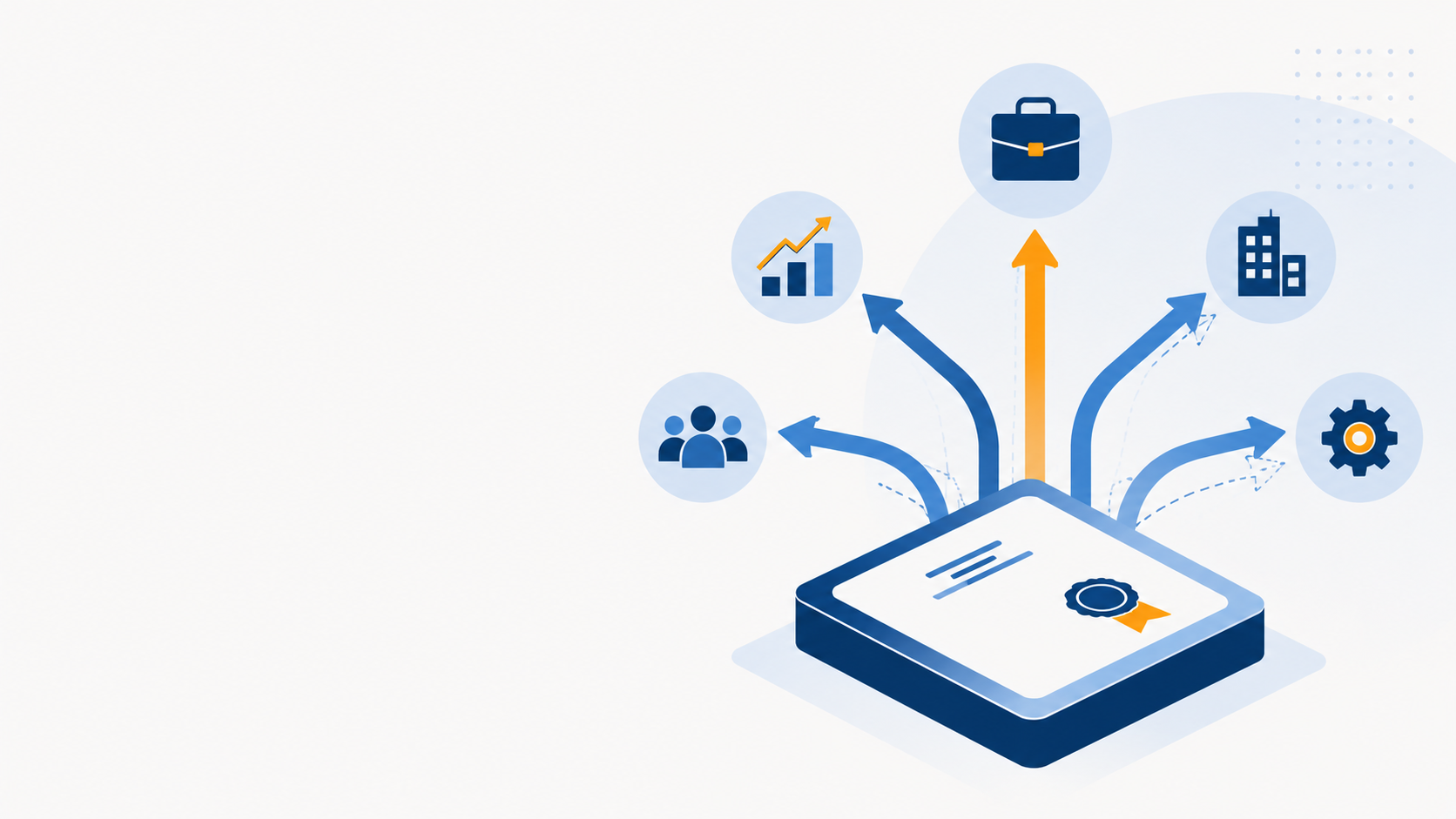
    Professionals with this qualification often move into roles such as Operations Manager, Project Manager, Department Supervisor, Service Delivery Manager, Functional Manager, or Senior Team Leader.

    In many organisations, these positions involve managing staff performance, overseeing budgets, coordinating projects, and improving operational efficiency.

    For example, someone working in customer support for a UK retailer may progress into a regional operations role. A healthcare administrator within an NHS Trust could use the qualification to support a move into departmental leadership. In construction, logistics, and facilities management, the diploma can also strengthen progression into site or operations management positions.

    More Than a CV Upgrade

    A recognised qualification helps during recruitment, but the wider benefit is often confidence.

    Many professionals already carry management responsibilities without formal training. The Level 5 Diploma helps structure existing experience and develops stronger leadership behaviour in the process.

    Learners typically improve in areas such as strategic thinking, delegation, communication, problem-solving, and team motivation. Those skills become increasingly important as responsibilities grow.

    The diploma can also support progression towards further professional development routes connected to organisations such as CIPD or additional leadership qualifications later in your career.

    Studying Alongside a Full-Time Job

    One of the biggest barriers to professional development in the UK is time. Many learners are balancing work, commuting, and family responsibilities throughout the Monday to Friday working week.

    Many Level 5 Diplomas can now be studied fully online, allowing professionals to study around existing commitments rather than attending fixed classroom sessions.

    Learners can usually progress at a manageable pace, and many programmes allow up to twelve months for completion. Look for tutor support throughout the programme, which helps learners stay on track while applying new knowledge directly within their workplace.

    This approach suits professionals who need flexibility without sacrificing recognised accreditation.

    Why Online Leadership Training Continues to Grow

    UK employers are increasingly investing in flexible learning models that support retention and internal progression. Leadership development no longer needs to happen exclusively in a classroom.

    Online learning platforms, AI-powered learning tools, and structured digital support systems now allow managers to build skills in a way that fits modern working patterns.

    For organisations already focused on staff development, employee retention, or Investors in People standards, management training has become part of a wider long-term workforce strategy.

    That means qualifications like the Level 5 Diploma are not only useful for career progression, they also help businesses strengthen future leadership pipelines internally.

    Is the Level 5 Diploma Worth It?

    For professionals aiming to move beyond supervisory duties and into broader management responsibility, the answer is usually yes.

    The qualification gives structure to your existing experience, develops recognised leadership capability, and improves your position when applying for management roles across the UK job market.

    Most importantly, it helps bridge the gap between being good at your current job and being trusted to lead others effectively.

    Ready-to-deploy courses for your team

    From IOSH approved health and safety to management and wellbeing, our course library is ready to launch on your LMS.
  • TQUK vs CMI vs ILM: Which Level 5 Diploma Makes Sense in the UK?

    TQUK vs CMI vs ILM: Which Level 5 Diploma Makes Sense in the UK?

    For many UK professionals stepping into middle management, a Level 5 leadership qualification is less about collecting certificates and more about career momentum. Whether you work for an NHS Trust in Birmingham, a logistics firm in Manchester, or a growing SME in Leeds, employers increasingly expect managers to combine operational knowledge with people leadership skills.

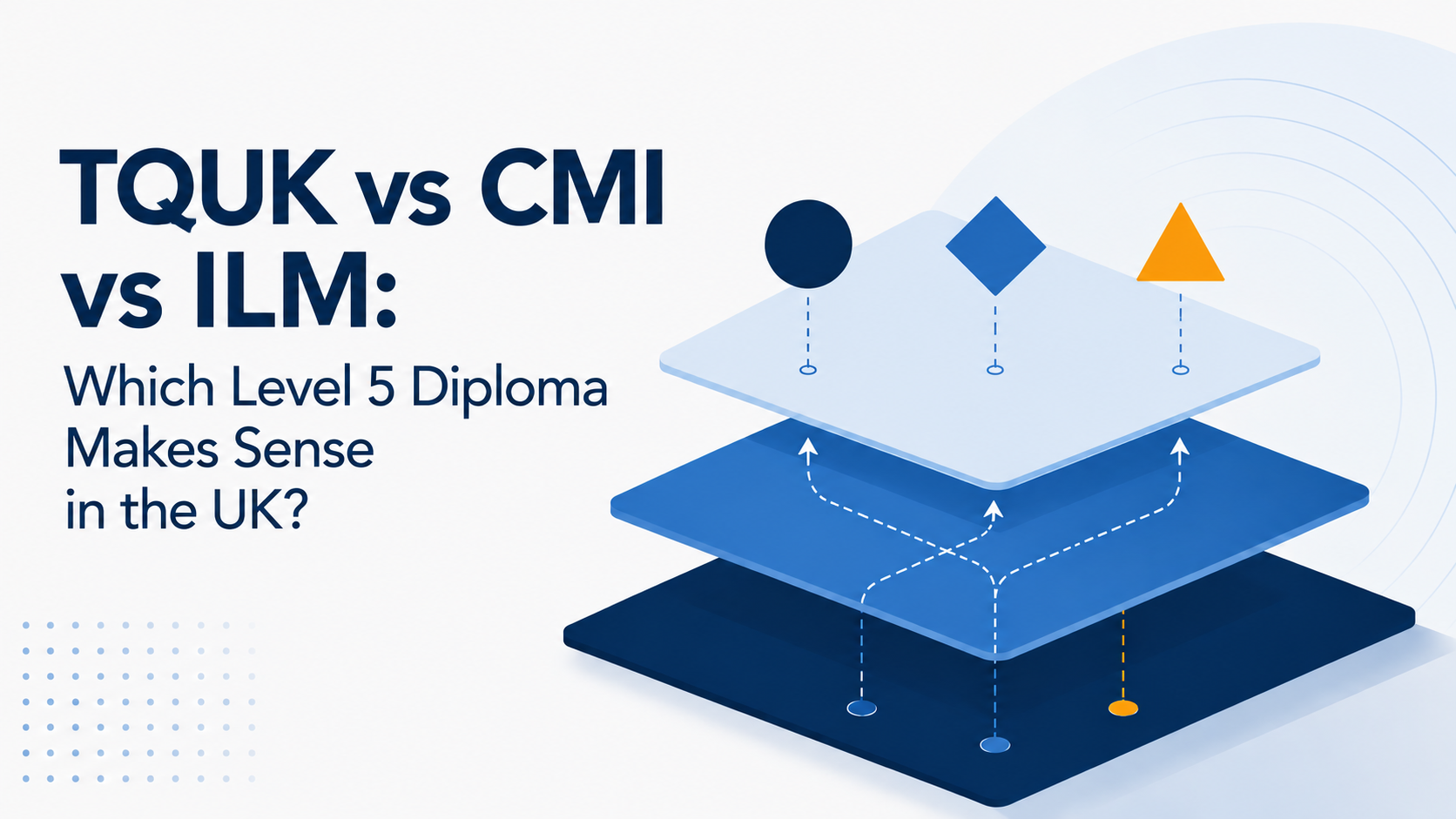
    That creates a common question. Which awarding body actually carries the most weight, TQUK, CMI, or ILM? The answer is not always as straightforward as marketing pages make it sound. In practice, most employers care less about the logo on the certificate and more about whether the qualification is regulated, recognised, and relevant to the role you want next.

    What Employers Usually Look for in a Level 5 Qualification

    In the UK, regulated qualifications sit within frameworks overseen by organisations such as Ofqual. That matters more than many learners realise.

    A Level 5 diploma is designed to prepare professionals for supervisory and middle management positions. The focus tends to stay consistent across awarding organisations. You will typically cover areas such as operational planning, team leadership, communication, performance management, and decision-making.

    For employers, the practical outcome matters. Can you manage projects? Lead teams effectively? Handle workplace challenges confidently? Those are the questions hiring managers ask during recruitment and promotion reviews.

    Comparing TQUK, ILM and CMI

    CMI and Chartered Status Recognition

    Chartered Management Institute, usually referred to as CMI, is one of the best-known management organisations in the UK. Some learners are drawn to its chartered status and long-standing reputation, particularly within larger corporate environments and public sector organisations.

    CMI qualifications often appeal to professionals who want a traditional management route with strong brand recognition attached.

    ILM and Leadership Development

    Institute of Leadership & Management, part of the City & Guilds Group, has a strong reputation for leadership-focused learning. ILM programmes are commonly chosen by supervisors and team leaders moving into broader management responsibilities.

    In sectors such as education, hospitality, and customer operations, ILM qualifications are widely recognised and respected.

    Where TQUK Fits In

    Training Qualifications UK provides regulated qualifications across several sectors, including management and leadership. Its Level 5 Diploma in Management and Leadership delivers the same overall level of academic recognition expected from an Ofqual-regulated qualification.

    For many learners, the attraction is practical rather than prestige-driven. TQUK programmes are often more flexible, more accessible online, and easier to complete alongside a full-time Monday to Friday role.

    Is One Qualification Better Than Another?

    In reality, the gap between these qualifications is smaller than many people expect.

    All three awarding bodies offer recognised Level 5 pathways intended for professionals operating at a middle management level. The learning outcomes overlap heavily. You still study leadership approaches, organisational performance, communication, and strategic thinking.

    The main differences usually come down to programme structure, assessment style, and how the course provider delivers support.

    That means your learning experience matters just as much as the awarding body itself.

    Why Delivery Style Matters for UK Professionals

    A qualification can look impressive on paper, but if the course structure does not fit around work and family responsibilities, completion becomes difficult.

    This is where online delivery has become far more important across the UK training market. Hybrid work, shift-based schedules, and rising commuting costs have changed how professionals approach further education.

    Good online Level 5 programmes are designed around that reality. Learners can study fully online, complete coursework at their own pace, and access tutor guidance throughout the programme.

    Instead of attending fixed classroom sessions every week, professionals can fit learning around existing responsibilities. For someone balancing management duties with family commitments, that flexibility often matters more than small differences between awarding organisations.

    The Growing Importance of Flexible Professional Learning

    UK employers are increasingly supporting flexible learning models, particularly in sectors facing management shortages or rapid growth.

    Organisations investing in leadership development now look closely at accessibility, completion rates, and practical application. Programmes that allow learners to study remotely while remaining productive at work are becoming more attractive to both employers and employees.

    This shift also aligns with broader workplace development initiatives linked to organisations such as CIPD and Investors in People, where continuous professional development plays a central role in retention and progression.

    For learners, the best qualification is often the one they can realistically complete and apply immediately in the workplace.

    Choosing the Right Route for Your Career

    If you are comparing TQUK, ILM, and CMI, focus on the outcome you want rather than assuming one badge automatically guarantees better opportunities.

    Ask practical questions instead:

    • Is the qualification Ofqual regulated?
    • Does the delivery model suit your schedule?
    • Will you receive proper tutor support?
    • Can you complete the course alongside full-time work?
    • Does the content reflect real management situations?

    For many UK professionals, a flexible TQUK Level 5 Diploma provides the right balance between recognised accreditation, affordability, and manageable study structure.

    The qualification itself opens doors. Consistent application of the skills is what moves careers forward.

    Ready-to-deploy courses for your team

    From IOSH approved health and safety to management and wellbeing, our course library is ready to launch on your LMS.
  • Choosing the Right IOSH Course for UK Teams

    Choosing the Right IOSH Course for UK Teams

    Health and safety training often gets treated as a box-ticking exercise until something goes wrong. In many UK organisations, the real challenge is not whether to provide training, but deciding who needs what. A warehouse operative in Birmingham, a facilities supervisor in Manchester, and a board director at an NHS Trust all face different responsibilities. Giving them the same course rarely works.

    That is why IOSH training remains popular across the UK. It gives organisations a clear route for building safety awareness at every level, from frontline staff to senior leadership teams. When training matches day-to-day responsibilities, people are more likely to apply what they have learnt and less likely to see safety as separate from their role.

    Start With the Role, Not the Course

    Many businesses choose training based on job titles alone. A better approach is to look at how people influence workplace safety.

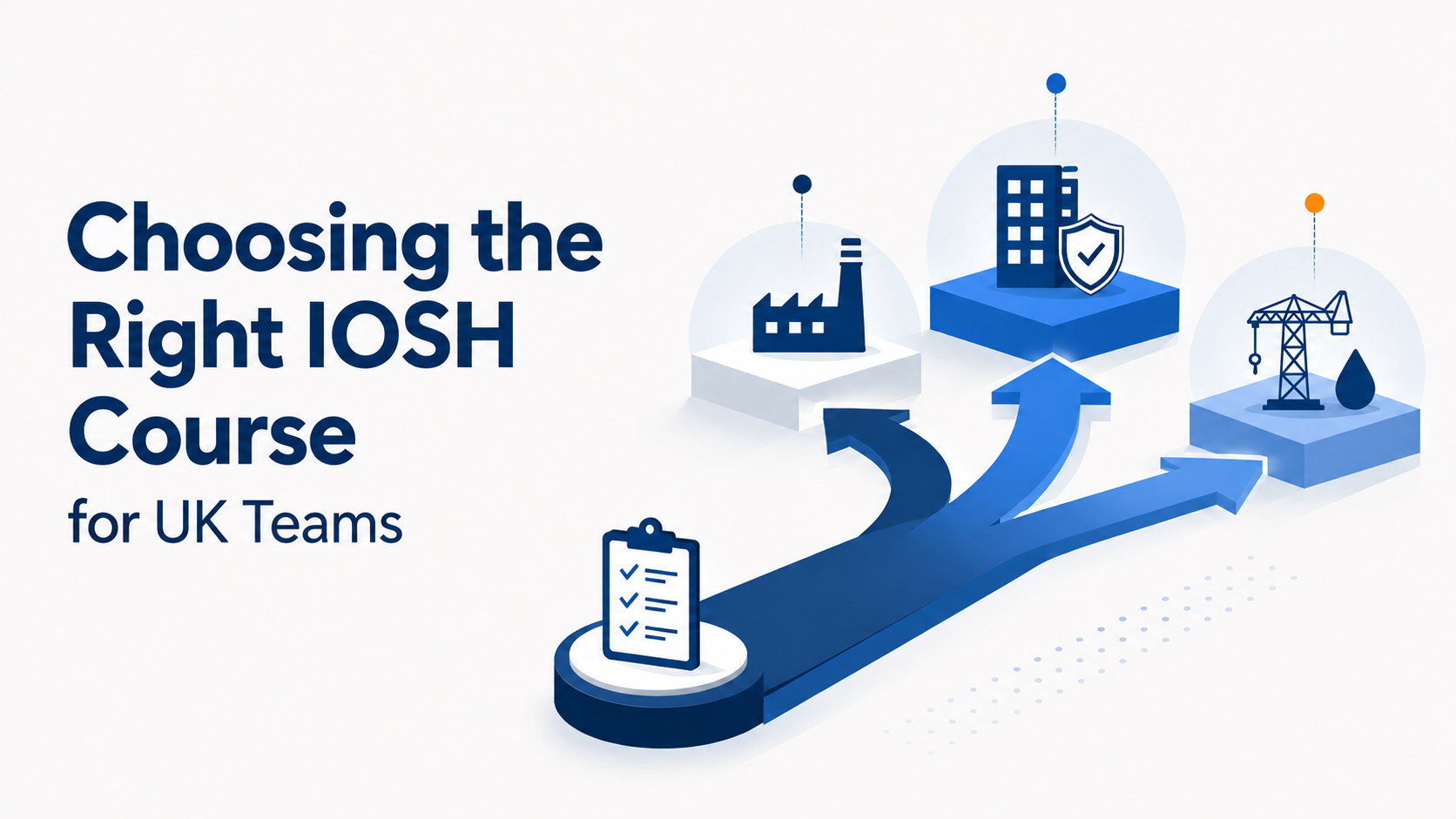
    Employees who carry out practical tasks usually need a solid understanding of hazards, safe behaviour, and personal responsibility. Supervisors and line managers need something different. They are expected to identify risks, monitor standards, and respond when procedures are not followed. Senior leaders need enough knowledge to shape policy, allocate resources, and support a safe working culture across the organisation.

    IOSH structures its courses around those different responsibilities, which makes it easier to build a sensible training plan without unnecessary duplication.

    IOSH Working Safely for Frontline Employees

    For staff members who are new to health and safety training, IOSH Working Safely is often the right starting point. The course focuses on practical awareness rather than management processes.

    This works well for organisations with operational teams, including logistics firms, manufacturers, retail businesses, and local councils. Employees learn how to recognise common workplace hazards and understand their role in reducing accidents and unsafe behaviour.

    Because the course is straightforward and accessible, many employers use it during onboarding or as part of wider compliance training delivered through platforms such as the Capytech LMS.

    Managing Safely for Supervisors and Team Leaders

    Managers carry more responsibility under UK employment law and Health and Safety Executive (HSE) guidance. They are expected to assess risks, investigate incidents, and make sure procedures are followed consistently.

    IOSH Managing Safely is designed for people in that position. Rather than focusing only on personal safety, it covers how to manage safety within a department or team. Participants learn how to carry out risk assessments, monitor performance, and identify areas where standards are slipping.

    This course is particularly useful for growing organisations where experienced technical staff are moving into supervisory roles for the first time. Strong operational knowledge does not always translate into effective safety management, especially in fast-moving sectors such as construction, engineering, and facilities management.

    Why UK Employers Are Reviewing Safety Training

    Across the UK, employers are under increasing pressure to show that training is relevant, recorded properly, and linked to actual workplace risks. The HSE continues to place emphasis on employer accountability, especially in higher-risk environments.

    Many organisations are also trying to reduce disruption caused by traditional classroom delivery. Online IOSH-approved training gives teams more flexibility and makes completion easier to track across multiple sites. For businesses managing hybrid teams or regional operations, centralised reporting can make audits and compliance reviews far less time-consuming.

    Some employers are also linking safety training to wider people strategies supported by CIPD frameworks or Investors in People standards. In practice, that means treating health and safety as part of leadership and workplace culture rather than a standalone compliance task.

    Senior Leaders Need a Different Conversation

    Executive teams rarely need detailed operational instruction, but they still influence workplace safety every day through budgets, priorities, and decision-making.

    IOSH Leading Safely is aimed at directors and senior leaders who need to understand the commercial and legal impact of poor safety standards. The course focuses on leadership accountability and organisational risk rather than frontline procedures.

    For larger UK employers, this can help create stronger alignment between operational teams and leadership expectations. It also demonstrates that safety responsibilities are being taken seriously at every level of the business.

    Building a Smarter Training Matrix

    The most effective organisations avoid a one-size-fits-all approach. Instead, they map training requirements against actual responsibilities.

    A practical training structure might include Working Safely for operational staff, Managing Safely for department supervisors, and Leading Safely for directors or senior managers. That creates clearer accountability and helps avoid gaps where responsibilities sit between teams.

    When combined with digital learning tools and centralised reporting, organisations gain better visibility over completion rates, refresher schedules, and compliance records.

    Capytech supports UK organisations with IOSH Working Safely, delivered 100% online, along with custom e-learning, AI training and the Capytech LMS. We can build other IOSH courses, such as Managing Safely, to your requirements. Our guide to IOSH Working Safely online explains how to roll it out across a team. The aim is simple: make training relevant, manageable, and easier for teams to complete.


    Ready-to-deploy courses for your team

    From IOSH approved health and safety to management and wellbeing, our course library is ready to launch on your LMS.
  • Online IOSH Training for UK Teams Without Lost Time

    Online IOSH Training for UK Teams Without Lost Time

    For many UK organisations, mandatory health and safety training creates a familiar problem. Managers need staff certified quickly, but taking teams away from daily operations often affects productivity, customer service, and project deadlines.

    This is especially true in sectors where staffing levels are tightly managed. A facilities company in Birmingham, an NHS Trust department, or a logistics team in Manchester cannot easily pause work for classroom sessions during a busy Monday to Friday schedule. Training still matters, but disruption carries a real cost.

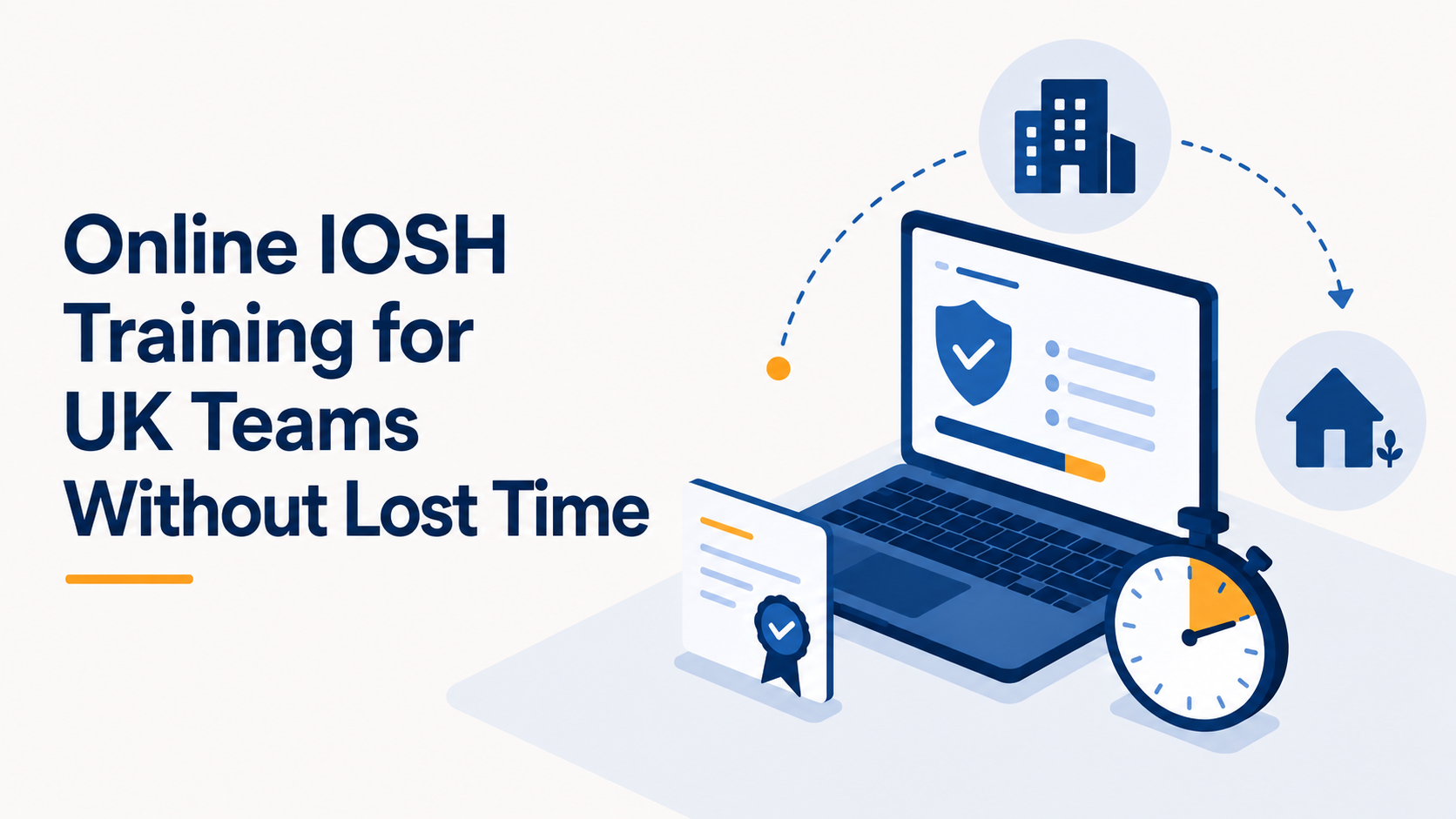
    Capytech’s fully online IOSH-approved training offers a practical alternative. Employees can complete courses at their own pace, from any location, without the need to block out full working days or arrange travel to a training centre.

    Flexible Learning That Fits Around Work

    Traditional classroom training often forces organisations into rigid timetables. Teams lose hours commuting, managers rearrange shifts, and projects slow down while employees attend scheduled sessions.

    Online IOSH training changes that approach completely.

    IOSH Working Safely is available 100% online, so learners can study when it suits them, and other IOSH courses can be built to your requirements. Our guide to IOSH Working Safely online explains what it covers and how to roll it out to a team. Staff can complete modules during quieter periods, between shifts, or from home. That flexibility helps organisations maintain normal operations while still meeting health and safety requirements.

    For employers managing multiple sites across the UK, this also removes the challenge of coordinating face-to-face sessions across different locations.

    A Smarter Option for Growing Organisations

    Many UK businesses now operate with hybrid teams spread across several regions. Delivering consistent training standards across offices in London, Leeds, Glasgow, and Bristol can quickly become difficult when relying on classroom-based learning.

    A fully online model gives L&D leaders far greater control. Training can be rolled out simultaneously across departments, with progress tracked centrally through digital learning systems such as the Capytech LMS.

    This approach is particularly useful for organisations scaling quickly or onboarding new employees regularly. Instead of waiting for scheduled classroom availability, staff can begin training immediately.

    Meeting UK Health and Safety Expectations

    UK employers have a legal duty to provide the health and safety training their people need, under section 2 of the Health and Safety at Work etc. Act 1974, and the Health and Safety Executive publishes guidance on what that means in practice.

    Online IOSH training helps organisations demonstrate a clear commitment to workplace safety while maintaining documented records of employee completion. On successful completion, learners receive official IOSH certification, creating auditable evidence for compliance and internal reporting.

    For HR and compliance teams, digital records also simplify preparation for audits, contractor reviews, and client procurement requirements.

    Reducing Training Costs Without Cutting Quality

    Classroom training expenses often go beyond course fees. Organisations also absorb travel costs, venue hire, overtime cover, and lost productivity.

    Online delivery reduces many of these hidden costs. Businesses can train larger groups without removing employees from operational roles for extended periods. For companies balancing training budgets against wider business pressures, this creates a more cost-effective route to compliance.

    It also supports a more consistent learner experience. Every employee accesses the same materials, assessments, and guidance regardless of location.

    Why UK Employers Are Moving Towards Digital Safety Training

    The shift towards online professional development has accelerated across the UK over recent years. Learning and development teams increasingly expect training to be flexible, measurable, and accessible across different devices.

    Digital safety training supports those expectations while helping organisations maintain operational continuity. Combined with AI-powered learning tools and modern learning platforms, businesses can monitor engagement, completion rates, and learner progress far more effectively than with paper-based systems.

    For employers focused on both compliance and efficiency, online IOSH training offers a practical way to improve workplace safety without interrupting day-to-day operations.

    Capytech delivers IOSH-approved online training designed for modern UK organisations. Teams can complete training flexibly, managers can monitor progress easily, and businesses can maintain productivity while building a stronger safety culture.

    Ready-to-deploy courses for your team

    From IOSH approved health and safety to management and wellbeing, our course library is ready to launch on your LMS.
  • Beyond PDFs: Smarter Policy Training for UK Teams

    Beyond PDFs: Smarter Policy Training for UK Teams

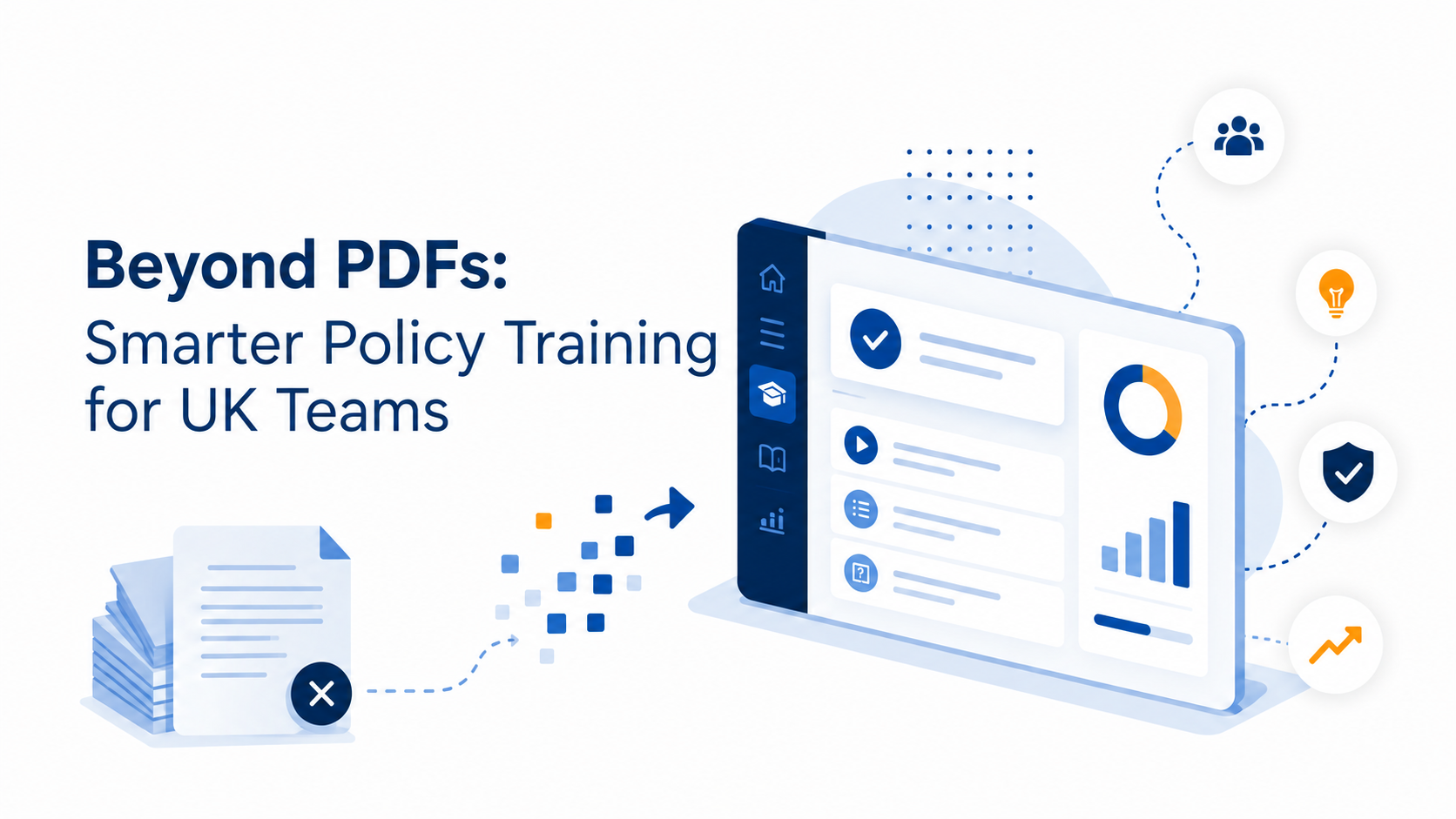
    Most UK organisations still rely on the same approach when updating company policies. A long PDF lands in everyone’s inbox on Monday morning, followed by a request to reply with “read and understood”. By Friday, HR has a folder full of email confirmations, but very little confidence that anyone has actually absorbed the information.

    The problem becomes more serious when policies cover health and safety, data handling, safeguarding, or compliance. A signed acknowledgement is not the same as understanding. If an incident happens later, organisations may struggle to show that employees genuinely learnt what was expected of them.

    Why Passive Reading Rarely Works

    People do not retain information well when they are expected to sit through pages of formal text without interaction. A 40-page policy document competes with emails, meetings, deadlines, and everyday distractions. Most employees skim sections, jump to the final page, or save the file for “later” and never return to it.

    This creates a weak point for the organisation. The document exists, but there is no reliable way to measure whether staff understood the content or could apply it in a real situation.

    Interactive digital learning changes that behaviour. Instead of asking employees to passively consume information, it asks them to participate. Short learning sections, scenario-based questions, and quick knowledge checks help learners stay focused and improve recall.

    Turning Policies Into Learning Experiences

    Modern e-learning does far more than convert a PDF into slides with buttons. A well-designed FastTrack module restructures information so employees can process it in manageable sections.

    An IT security policy, for example, can become an interactive exercise where staff identify phishing attempts and choose the correct response. A safeguarding procedure can include branching scenarios that test decision-making under pressure. Health and safety guidance can be presented as a visual walkthrough of a workplace environment rather than a block of text.

    This matters because people learn more effectively when content feels relevant to their role. Employees are far more likely to remember a realistic workplace scenario than a paragraph of legal wording.

    Capytech’s FastTrack approach focuses on making compliance content practical and visually engaging without losing the accuracy of the original policy.

    The Reporting Advantage HR Teams Actually Need

    One of the biggest limitations of PDF distribution is the lack of evidence. Sending an email proves distribution, not understanding.

    With SCORM-compliant learning modules delivered through platforms such as the Capytech LMS, organisations can track meaningful learning data. HR and compliance teams can see who completed the training, how long learners spent on each section, and which questions caused difficulty.

    That insight helps organisations improve policies over time. If large numbers of employees misunderstand a specific section, the issue may not be staff behaviour at all. The wording itself may need simplifying.

    More importantly, organisations gain a measurable audit trail. Completion records and assessment scores provide evidence that training took place and that employees achieved the required standard.

    UK Compliance Expectations Are Changing

    Across the UK, regulators and employers increasingly expect evidence-based training rather than tick-box acknowledgement exercises.

    Under the Health and Safety Executive guidance, employers are responsible for providing adequate information, instruction, and training to staff. The same principle applies to data protection responsibilities under the UK GDPR and the Data Protection Act 2018.

    For sectors such as healthcare, education, construction, and financial services, proving employee understanding is becoming just as important as issuing the policy itself.

    A local authority, NHS Trust, or large employer facing an investigation may need to demonstrate not only that guidance existed, but also that staff completed relevant learning and passed assessments linked to it.

    This is where trackable digital learning provides far stronger evidence than an archived email thread.

    Better Learning Reflects Better Workplace Culture

    Employees notice when organisations invest effort into communication and training. A poorly formatted PDF sent without context often feels like an administrative exercise. Interactive learning feels more intentional.

    That difference shapes engagement. Staff are more likely to take compliance seriously when the training is clear, relevant, and professionally presented.

    Visual content, practical examples, and concise learning journeys also respect employees’ time. Rather than forcing staff through lengthy documents in one sitting, micro-learning allows them to complete training in shorter, manageable sessions during the working week.

    For organisations managing hybrid teams across Manchester, Birmingham, London, or multiple UK offices, this flexibility is increasingly important.

    From “Read and Understood” to Measurable Learning

    Policies will always remain essential business documents. The question is whether organisations want employees to simply receive them or genuinely understand them.

    Moving policy training into interactive e-learning creates clearer accountability, stronger reporting, and better engagement. It also reduces organisational risk by replacing assumptions with measurable evidence.

    For HR leaders, compliance managers, and L&D teams, that shift is no longer a nice extra. It is becoming part of responsible workplace training practice across the UK.

    Turn your policies into training people remember

    Send us one policy or procedure and we will turn it into an interactive demo module, free, so you can judge the quality first.

  • How AI Tutors Are Changing Online Learning in the UK

    How AI Tutors Are Changing Online Learning in the UK

    Digital learning has become part of everyday working life across the UK. From NHS Trust staff completing compliance modules to apprentices studying alongside full-time jobs, organisations now expect learning to be flexible, accessible, and relevant to each individual. That shift has increased interest in AI-powered learning tools that can respond to learners in real time rather than delivering the same content to everyone.

    AI tutors are becoming a practical part of modern e-learning. Colleges, employers, and training providers are using them to help learners stay engaged, improve retention, and receive support when they need it most. In sectors where time is limited and learner needs vary widely, AI can help create a more responsive learning experience without removing the human side of teaching.

    Why AI Tutors Matter in Modern E-Learning

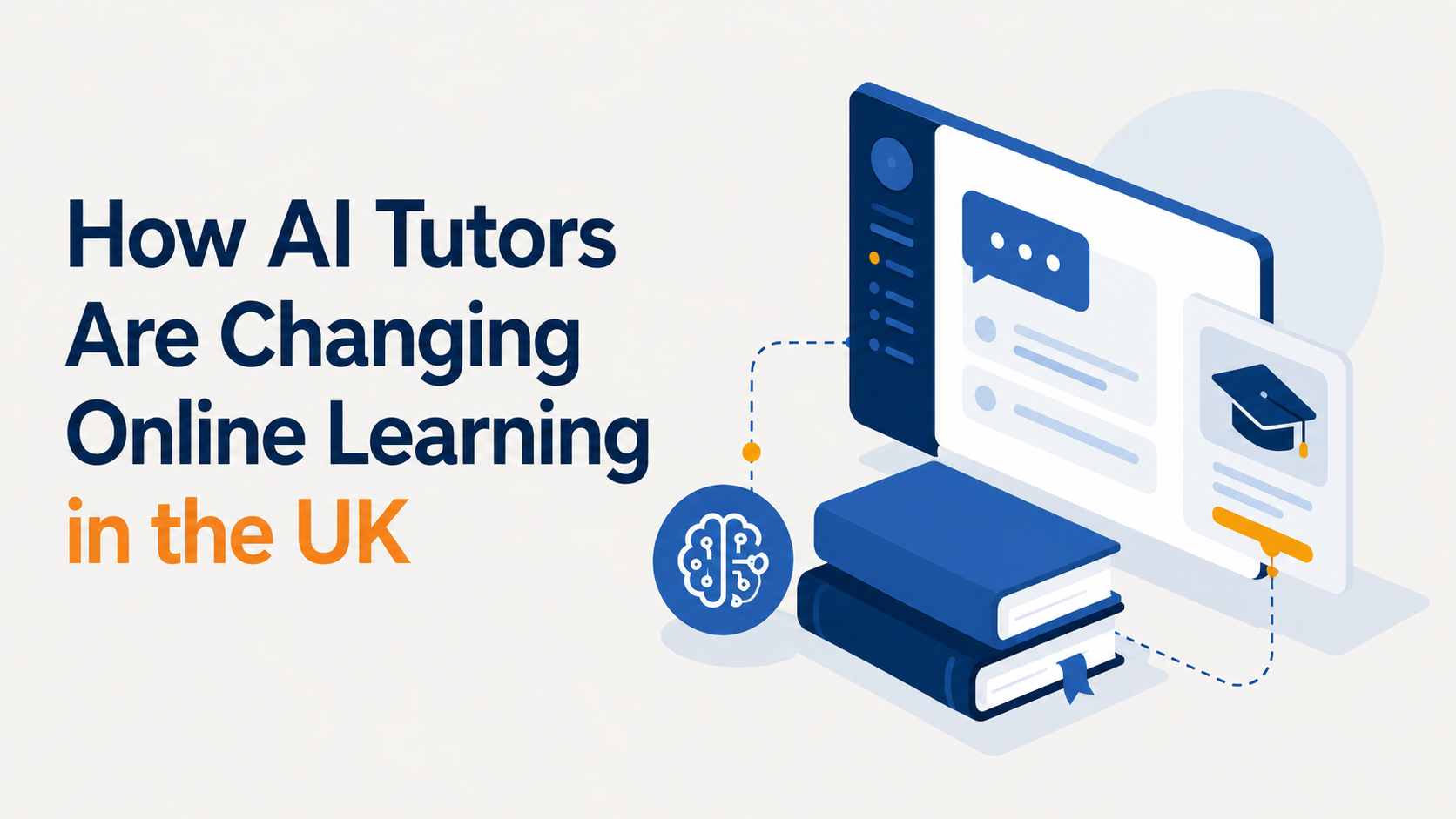
    Traditional online courses often follow a fixed structure. Every learner moves through the same material at the same pace, regardless of previous knowledge or confidence levels. AI tutors work differently. They analyse learner behaviour, track progress, and adapt content based on performance and interaction.

    This personalised approach can make learning more effective. A learner struggling with a topic may receive extra guidance or simplified explanations, while someone progressing quickly can move ahead without unnecessary repetition. For organisations delivering training at scale, this creates a better balance between consistency and individual support.

    AI tutors also improve accessibility. Learners who may feel uncomfortable asking questions in a classroom environment can interact privately with an AI assistant. This is particularly useful in workplace learning, where employees often complete training independently between Monday and Friday alongside daily responsibilities.

    Real-Time Support Helps Learners Stay Engaged

    One of the strongest advantages of AI tutoring is immediate feedback. Instead of waiting for a trainer or assessor to respond, learners can receive guidance instantly. Quick feedback helps people correct mistakes earlier and build confidence as they progress through a course.

    Many AI-powered systems now use natural language processing to create more conversational interactions. Learners can ask questions in plain English and receive responses that feel direct and relevant rather than scripted. This makes online learning feel less isolated and more supportive.

    For example, a local council delivering digital compliance training or a manufacturing company rolling out IOSH-approved safety training could use AI support tools to answer routine learner questions automatically. Trainers then have more time to focus on higher-value coaching and assessment.

    Personalised Learning Creates Better Outcomes

    Different learners absorb information in different ways. Some prefer short interactive activities, while others need examples, repetition, or scenario-based learning before concepts fully make sense. AI tutors can adjust learning pathways based on these patterns.

    This is especially useful for professional development programmes and vocational learning. A learner studying for a TQUK-accredited Level 5 Diploma may already have management experience in some areas but require additional support in others. AI-assisted learning can identify those gaps and suggest more relevant resources or activities.

    Platforms such as the Capytech LMS already support organisations looking to deliver more tailored online learning experiences. Combined with custom e-learning content and AI-powered learning tools, businesses can create training that feels more relevant to individual employees instead of relying on generic course structures.

    AI and Data Protection in UK Learning Environments

    As AI systems collect and analyse learner data, organisations must take privacy seriously. Any platform operating in the UK should comply with UK GDPR and the Data Protection Act 2018. Learners need clear information about what data is being collected, how it is used, and who can access it.

    Training providers should also review how AI-generated recommendations are created. Transparency matters, particularly in regulated sectors such as healthcare, education, and financial services. Organisations need to ensure that automated learning decisions remain fair, accurate, and appropriate.

    UK education bodies including Ofqual, OfS, and ESFA continue to assess how AI should be used responsibly within learning and assessment environments. While AI can support learning delivery, human oversight remains important for quality assurance and learner welfare.

    The Human Side of Learning Still Matters

    AI tutors work best when they support trainers rather than replace them. People still value discussion, encouragement, and shared learning experiences. A strong learning strategy combines technology with opportunities for human interaction.

    Managers, trainers, and assessors provide context that AI cannot fully replicate. They understand workplace culture, team dynamics, and the practical challenges learners face every day. AI can help automate repetitive support tasks, but experienced professionals still shape meaningful learning outcomes.

    This balance is particularly important in leadership development, compliance training, and workplace safety education. Learners benefit from personalised digital support while still having access to experienced tutors and peer discussion.

    What the Future Looks Like for UK Organisations

    AI tutors are likely to become more common across UK workplaces, colleges, and training providers over the next few years. As organisations continue investing in digital learning, the focus will shift from simply delivering content to creating learning experiences that adapt, respond, and improve over time.

    Businesses that combine AI-powered learning tools with well-designed custom e-learning are likely to see stronger engagement and better long-term retention. The technology is developing quickly, but the goal remains straightforward: helping people learn more effectively and with greater confidence.

    For UK organisations managing large or diverse workforces, AI-supported learning offers a practical way to provide personalised training at scale while maintaining consistency, accessibility, and compliance standards.

    Train your whole team to use AI safely

    The Capytech AI Academy gives every employee practical, safe AI skills in short lessons, available in any language.

  • AI Tutors and Personalised Learning in the UK

    AI Tutors and Personalised Learning in the UK

    Across the UK, schools, universities, and workplace training teams are under pressure to deliver learning that feels more relevant to the individual. A one-size-fits-all approach no longer works for learners who expect flexibility, quicker feedback, and content that matches their ability level. AI tutors are beginning to fill that gap.

    From apprenticeship providers in Birmingham to NHS Trust training teams and corporate L&D departments in Manchester, organisations are using AI-supported learning tools to improve engagement and reduce training bottlenecks. Rather than replacing tutors or trainers, AI helps personalise learning at scale, giving learners support when and where they need it.

    What Are AI Tutors?

    AI tutors are software systems designed to support learning through artificial intelligence. They can assess learner progress, recommend content, answer questions, and adapt activities based on performance. In practice, this means learners receive guidance tailored to their pace and level of understanding instead of moving through identical content with every other learner.

    Unlike traditional digital learning modules, AI-supported systems respond dynamically to learner behaviour. If someone struggles with a topic, the system can provide additional explanations or simpler exercises. If a learner progresses quickly, the tutor can move them forward without unnecessary repetition.

    This type of adaptive learning is becoming increasingly relevant in UK workplace training, where organisations need to support mixed experience levels while managing limited training time.

    Why Personalised Learning Matters

    Personalised learning has become a major focus across education and professional development because learners absorb information differently. Some people prefer practical exercises, others respond better to visual explanations or short bursts of content.

    Traditional classroom delivery can struggle to accommodate these differences, particularly in larger groups. AI tutors help close that gap by analysing learner interactions and adjusting the experience accordingly.

    The benefits are practical as much as academic. Learners who receive tailored support often stay engaged for longer and complete courses more consistently. For employers, this can improve training outcomes while reducing time spent repeating sessions or manually monitoring progress.

    In workplace environments, AI-supported learning also allows staff to learn around their schedules. This is especially useful for hybrid teams, shift workers, and organisations operating across multiple locations.

    How UK Organisations Are Using AI in Learning

    AI tutors are now appearing in several areas of UK learning and development.

    Further education providers are using adaptive learning systems to support learners preparing for exams or vocational qualifications. Corporate L&D teams are integrating AI into onboarding programmes and compliance training. Some organisations are also combining AI tools with platforms such as the Capytech LMS to create more responsive digital learning environments.

    Safety training is another area where adaptive learning can help. Learners working through IOSH-approved safety courses, for example, may need different levels of support depending on their previous experience and job role. AI-assisted systems can identify weak areas early and provide extra reinforcement before assessment stages.

    For employers managing apprenticeship programmes or regulated training, AI tools can also help track learner engagement and identify individuals who may need additional support before performance issues develop.

    The Benefits of AI Tutors

    One of the main advantages of AI tutors is accessibility. Learners can access support outside standard office hours, whether they are revising in the evening or completing workplace learning between shifts.

    Immediate feedback is another major benefit. Instead of waiting for tutor responses or assessment reviews, learners receive guidance instantly. This keeps momentum going and helps prevent misunderstandings from building up over time.

    AI tutors also reduce some of the repetitive administrative work associated with learning delivery. Trainers and facilitators can spend more time on coaching, discussion, and higher-value support rather than repeatedly answering routine questions.

    For organisations delivering training at scale, AI-supported systems can help maintain consistency across departments and locations while still giving learners a more individual experience.

    Data Protection and Ethical Considerations in the UK

    As AI becomes more common in education and workplace learning, organisations also need to consider privacy, transparency, and responsible data use.

    Any learning platform collecting learner information must comply with UK GDPR and the Data Protection Act 2018. This includes being clear about how learner data is collected, stored, and used within AI-powered systems.

    There are also wider questions around fairness and bias. AI systems depend heavily on the quality of the data they are trained on. Poorly designed systems may produce inaccurate recommendations or fail to reflect different learning needs properly.

    UK organisations should ensure AI-supported learning tools are monitored regularly and supported by human oversight. This is particularly important in regulated environments such as healthcare, financial services, and public sector training.

    AI Should Support Trainers, Not Replace Them

    While AI tutors can improve efficiency and personalisation, they are not a substitute for experienced trainers or educators.

    Human support still matters in areas such as mentoring, emotional encouragement, collaborative learning, and complex decision-making. Learners often need reassurance, discussion, and context that software alone cannot provide.

    The strongest learning strategies combine both approaches. AI handles repetitive guidance and adaptive support, while trainers focus on discussion, critical thinking, and practical application.

    This blended approach is becoming increasingly common across UK organisations investing in digital learning transformation.

    What Comes Next for AI-Powered Learning?

    AI in learning is still developing quickly, but expectations are already changing. Learners increasingly expect training to feel responsive, flexible, and relevant to their role.

    Over the next few years, AI tutors are likely to become more sophisticated in how they interpret learner behaviour and recommend personalised learning pathways. Integration with LMS platforms, workplace systems, and reporting tools will also continue to improve.

    For UK organisations, the focus should remain practical. AI works best when it supports clear learning goals, improves learner engagement, and gives trainers more time to focus on meaningful interaction.

    When implemented carefully, AI tutors can help organisations deliver more effective learning experiences without losing the human side of education and development.

    Train your whole team to use AI safely

    The Capytech AI Academy gives every employee practical, safe AI skills in short lessons, available in any language.

  • AI in UK Workplace Learning: Three Tools That Matter

    AI in UK Workplace Learning: Three Tools That Matter

    Across the UK, many L&D teams are facing the same quiet problem. Training programmes look busy on paper, completion rates are high, and feedback scores sit comfortably above four stars. Yet when it comes to real-world performance, the impact is often unclear.

    Take a typical scenario in a services firm or an NHS Trust. Staff complete mandatory modules, pass the knowledge checks, and move on. But when a difficult customer interaction or compliance decision arises, the confidence just is not there. The gap between knowing and doing remains.

    That gap is exactly where AI is starting to make a difference.

    For years, digital learning followed a predictable pattern. Build content, upload it to the LMS, track completions, and revisit it once a year. The issue is simple. None of those steps prove that learning has actually taken place or that behaviour has changed.

    At Capytech, after more than a decade of building custom e-learning, we kept seeing the same issues surface. Learners get stuck with no support, feedback lacks depth, and organisations have little visibility into whether people can apply what they have learnt. So we built three AI-driven tools to address those gaps directly.

    Learning Support That Meets People Where They Are

    The moment a learner becomes confused is often the moment learning breaks down. In most systems, there is nowhere to turn. People either guess, skip ahead, or disengage.

    Our AI Tutor is designed to sit inside the module itself. It acts as a contextual support layer, allowing learners to ask questions as they go. The key difference is that it is trained on the organisation’s own content, not generic internet data.

    If someone is working through a compliance module aligned with UK GDPR and the Data Protection Act 2018, the answers they receive are grounded in the exact policies and interpretations the organisation has approved.

    This approach also works well across diverse UK workforces. Whether someone prefers to ask a question in plain English or needs clearer, simplified explanations, the experience adapts without requiring multiple versions of the same course.

    For L&D teams, the real value sits behind the scenes. Every interaction is captured and can be reviewed. You can see where learners hesitate, what they are asking, and which parts of the content create friction. Instead of relying on end-of-course surveys, you get live insight into actual learning behaviour.

    Turning Feedback Into Something You Can Use

    Most feedback forms tell you very little. “Clear and informative” might sound positive, but it does not help you improve anything.

    Reflect AI changes how feedback is gathered. Rather than presenting a static survey, it holds a short, structured conversation with the learner at the end of a module. If someone says the course was useful, it follows up. What exactly helped? Which part felt irrelevant? What would they change?

    This matters because it mirrors how real conversations work. People often need prompting to articulate useful feedback.

    The system then analyses responses across individuals and cohorts. Patterns become visible quickly. You might find that a leadership module resonates strongly with one team but feels too generic for another. Or that a compliance topic consistently causes confusion.

    The result is a much tighter feedback loop. Instead of waiting for an annual review cycle, updates can be made within days. Over time, content improves continuously rather than in large, infrequent revisions.

    From Knowledge Checks to Real-World Practice

    Passing a quiz does not mean someone is ready to apply a skill. This is especially true in areas like leadership, customer service, and safety.

    Scenario Coach focuses on this exact challenge. It places the learner into a realistic, AI-driven conversation. For example, a manager might need to address poor performance with a team member, or a customer service adviser might need to handle a complaint that is escalating.

    The interaction unfolds naturally. The AI responds to tone, phrasing, and approach. If the learner is too direct, the conversation may become defensive. If they handle it well, the situation improves.

    As the scenario progresses, the system tracks multiple factors. It looks at how the conversation evolves, whether key points are addressed, and how communication style influences the outcome. At the end, the learner receives structured feedback that goes far beyond a pass or fail.

    This type of practice is particularly useful for organisations working towards standards recognised by bodies like the CIPD or delivering IOSH-aligned safety training. It allows learners to practise judgement and communication in a safe environment before applying those skills in real situations.

    A UK-Specific Perspective on Data and Compliance

    Any discussion about AI in learning needs to address data responsibility. In the UK, this means aligning with the UK GDPR and the Data Protection Act 2018.

    These tools are designed with that context in mind. Learner interactions can be anonymised, access is controlled, and organisations retain full ownership of their data. This is especially important for public sector organisations, local councils, and regulated industries where governance standards are high.

    There is also a growing expectation from bodies like the CIPD that L&D should demonstrate measurable impact. AI-driven insights support that shift by providing evidence of learning effectiveness, not just activity.

    Moving Beyond Completion Metrics

    What connects these tools is not the technology itself, but the data they generate.

    For the first time, L&D teams can clearly see where learners struggle, how content performs, and whether people can apply what they have learnt in realistic situations. This changes the conversation internally.

    Instead of reporting that 95 percent of staff completed a module, you can show whether the training improved decision-making, communication, or compliance outcomes.

    That shift matters. It aligns learning more closely with business performance, which is where it has always been expected to sit.

    Built Around Your Organisation, Not a Template

    Every organisation has its own context, whether that is a council managing public services, a healthcare provider, or a FTSE-listed business. Off-the-shelf content rarely captures those nuances.

    Capytech’s approach is fully bespoke. AI tools are trained on your materials, aligned to your objectives, and integrated into your wider learning ecosystem, including platforms like the Capytech LMS or Fasttrack.

    The result is not just better learning content, but a system that evolves with your organisation.

    See How It Works in Practice

    We have recorded a full walkthrough of these tools in action. It shows how they fit into real training scenarios and how organisations are using them to improve outcomes.

    If you are exploring how AI could fit into your learning strategy, it is worth seeing what is now possible.

    Train your whole team to use AI safely

    The Capytech AI Academy gives every employee practical, safe AI skills in short lessons, available in any language.

  • Launch E-learning in 4 Days: A UK L&D Advantage

    Launch E-learning in 4 Days: A UK L&D Advantage

    Why UK Training Teams Can’t Afford Long Build Cycles

    Picture a large NHS Trust updating a clinical protocol, or a local council rolling out a revised safeguarding policy. The expectation is immediate compliance, not something that lands three months later. Yet many organisations still treat e-learning production as a long, drawn-out process.

    The traditional model, weeks of discovery, followed by detailed storyboards, then a lengthy build and QA phase, was built for bespoke, high-budget projects. It still has its place. But for most day-to-day training needs, it slows everything down at the exact moment speed matters most.

    Rethinking Production: From Custom Build to Smart Assembly

    The shift is not about cutting corners. It is about changing how digital learning is constructed. Instead of starting from a blank page every time, a more effective approach is to use proven content frameworks and assemble modules around them.

    With FastTrack, the focus is on structuring your existing material into a clear learning journey. Policies, procedures, and guidance are mapped into interactive formats such as short videos, timelines, and knowledge checks. The emphasis is not on endless design debates, but on clarity, flow, and learner engagement.

    This is how a fully interactive, SCORM-compliant module can move from raw documents to delivery in four working days.

    Speed Reduces Risk, Not Just Effort

    In the UK, compliance is tightly linked to timing. Whether it is guidance from the Health and Safety Executive or updates tied to UK GDPR and the Data Protection Act 2018, delays in training create exposure.

    There is always a gap between identifying a risk and ensuring staff understand how to manage it. That gap is where issues occur. Faster rollout shortens that window. It means staff are informed sooner, behaviours change earlier, and organisations reduce the chance of incidents or breaches.

    For L&D teams, speed is not just operational efficiency. It is part of risk management.

    A More Responsive Role for L&D

    When delivery timelines shrink from months to days, the perception of L&D shifts. Instead of being seen as a function that slows initiatives down, it becomes a partner that can support change as it happens.

    This matters in UK organisations where priorities can shift quickly. A new compliance requirement, a change in employment law, or an internal policy update can all demand immediate action. Being able to respond within the same working week changes how L&D is valued at leadership level.

    It also makes it easier to support multiple departments at once, without building a backlog that never quite clears.

    Aligning with UK Standards and Expectations

    UK organisations operate within a structured regulatory and quality environment. Bodies such as the CIPD, Ofsted, and the ESFA all shape expectations around training quality and delivery.

    Rapid e-learning does not mean lower standards. In fact, consistency often improves. Using pre-tested frameworks ensures that modules follow a logical structure, include effective assessment points, and meet accessibility expectations.

    For organisations working towards Investors in People recognition or delivering accredited programmes such as TQUK Level 5 Diplomas, this consistency is valuable. It ensures that speed does not come at the expense of credibility or audit readiness.

    From Bottleneck to Business Enabler

    The biggest change is cultural. When L&D teams know they can deliver high-quality learning in days, not months, they approach requests differently. “We’ll need a quarter to build that” becomes “We can have that live this week.”

    FastTrack supports that shift. It gives teams the confidence to respond quickly, without worrying that quality will drop. The result is a more agile organisation, where learning keeps pace with real-world demands rather than lagging behind them.

    See your own training as e-learning, free

    Send us one document and we will turn it into an interactive demo module, so you can judge the quality before you spend anything.

  • Audit-Ready Training in the UK with FastTrack

    Audit-Ready Training in the UK with FastTrack

    Why UK Organisations Still Panic Before an Audit

    In many UK organisations, the moment an audit is announced, everything else takes a back seat. HR teams start combing through inboxes, compliance leads chase line managers for paperwork, and someone inevitably questions whether last year’s training still reflects current policy.

    This is common across sectors, from local councils in Birmingham to NHS Trusts and mid-sized firms in Manchester. The issue is rarely a lack of effort. It is usually a lack of connection between systems. Training content sits in one platform, records in another, and policy updates somewhere else entirely. When these pieces do not align, even well-run organisations feel exposed.

    What Good Looks Like Under UK Regulations

    Being prepared for an audit in the UK is not about last-minute checks. It is about maintaining a clear and consistent record over time. Under frameworks such as the UK GDPR and the Data Protection Act 2018, organisations are expected to demonstrate accountability, not just intent.

    In practice, that means you should be able to show exactly what an employee was trained on, when they completed it, and whether they actually understood it. Auditors are not impressed by attendance alone. They want evidence that learning has been both accurate and effective.

    A defensible audit trail becomes essential. If asked about data protection or workplace safety training, your records need to show the version used, confirm it matched policy at the time, and include a measurable outcome such as an assessment score.

    The Problem with Static Training Content

    One of the biggest risks in compliance training is content that quietly goes out of date. Regulations shift, internal policies evolve, and best practise changes. Yet many organisations continue using materials created months earlier.

    This creates a gap. Even if employees completed the training, it may no longer reflect current expectations under UK employment law or guidance from bodies like the HSE or CIPD. During an audit, that gap becomes visible very quickly.

    Static content also makes version control difficult. Without clear records, it is hard to prove what was delivered at a specific point in time.

    How FastTrack Keeps Training Current

    Capytech FastTrack addresses this by treating training as something that evolves, not something that is created once and left alone. With continuous updates built into the model, content stays aligned with the latest regulatory and organisational changes.

    Instead of presenting auditors with outdated materials, organisations can show a live system that reflects recent updates. The FastTrack dashboard provides a clear view of training activity, version history, and assessment results in one place.

    This removes the need for manual tracking and reduces the risk of inconsistencies. It also means teams are not scrambling to piece together evidence when an audit is announced.

    A UK Example: Meeting HSE Expectations

    Consider a manufacturing firm in the Midlands preparing for a safety audit. The Health and Safety Executive expects employers to provide up-to-date training and demonstrate that staff understand safe working practices.

    If training materials have not been updated to reflect recent guidance, or if there is no clear record of employee comprehension, the organisation could face scrutiny. With a system like FastTrack, updates to safety modules can be rolled out quickly, and completion data is automatically recorded.

    This makes it far easier to show that the organisation is meeting its obligations and taking employee safety seriously.

    Turning Compliance Into a Business Strength

    Audits do not have to be something organisations simply get through. They can be an opportunity to show how seriously governance and employee development are taken.

    When training is well managed, clearly documented, and regularly updated, it sends a strong message to regulators, partners, and senior leadership. It shows that the organisation values accuracy and accountability, and that learning is more than a tick-box exercise.

    Using a structured system like FastTrack also supports wider goals. It aligns with standards promoted by Investors in People and strengthens internal confidence in compliance processes.

    In the end, the difference is simple. Instead of reacting to audits, organisations are ready for them at any time. That shift changes how compliance is viewed across the business.

    Turn your policies into training people remember

    Send us one policy or procedure and we will turn it into an interactive demo module, free, so you can judge the quality first.